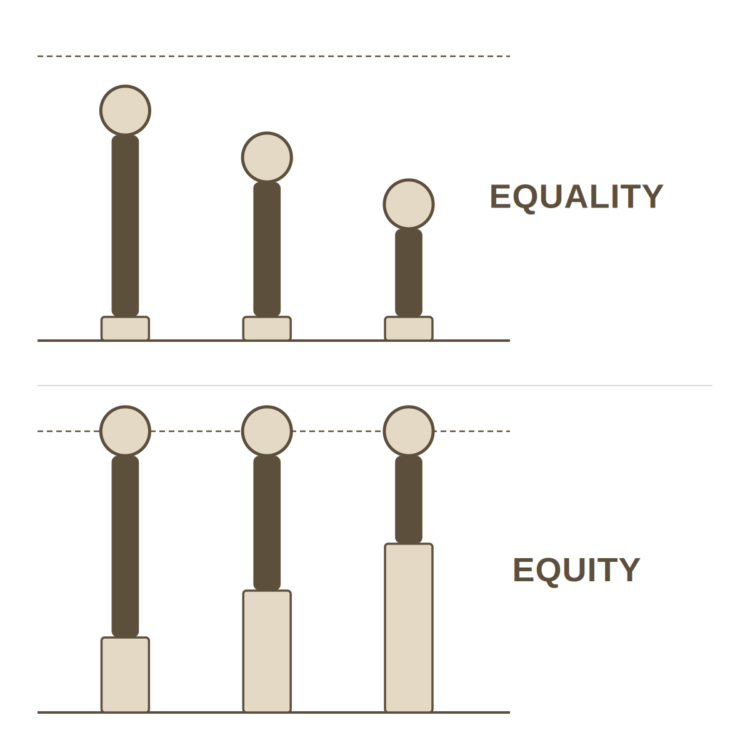
“It is not equal, so it is not fair.”
I heard this phrase several times over the course of my career as an HR manager. And yet, it is based on a fundamental misunderstanding: equality and fairness are not the same thing.
Equality means applying the same rule to everyone.
Fairness means taking differences in situation into account in order to achieve fair treatment.
In business, this nuance is key. Two colleagues can work in exactly the same job, have the same level of responsibility and not be compensated in exactly the same way. It’s perfectly normal.
I remember a situation just like this one when I was an HR manager. Two colleagues had comparable roles. The same level of responsibility, same team, same manager. One of them found out that he was being paid slightly less than his colleague. His reaction was perfectly understandable:
“We’re doing the same work. Why am I earning less? It’s not equal, so it’s not fair.”
But the analysis couldn’t end there. The two individuals had different backgrounds: career path, experience, expertise, seniority or specific competences. So many elements could have explained a difference in salary.
The objective of a remuneration policy is not for everyone to earn exactly the same. It is to ensure that the differences are coherent, objective and justifiable.
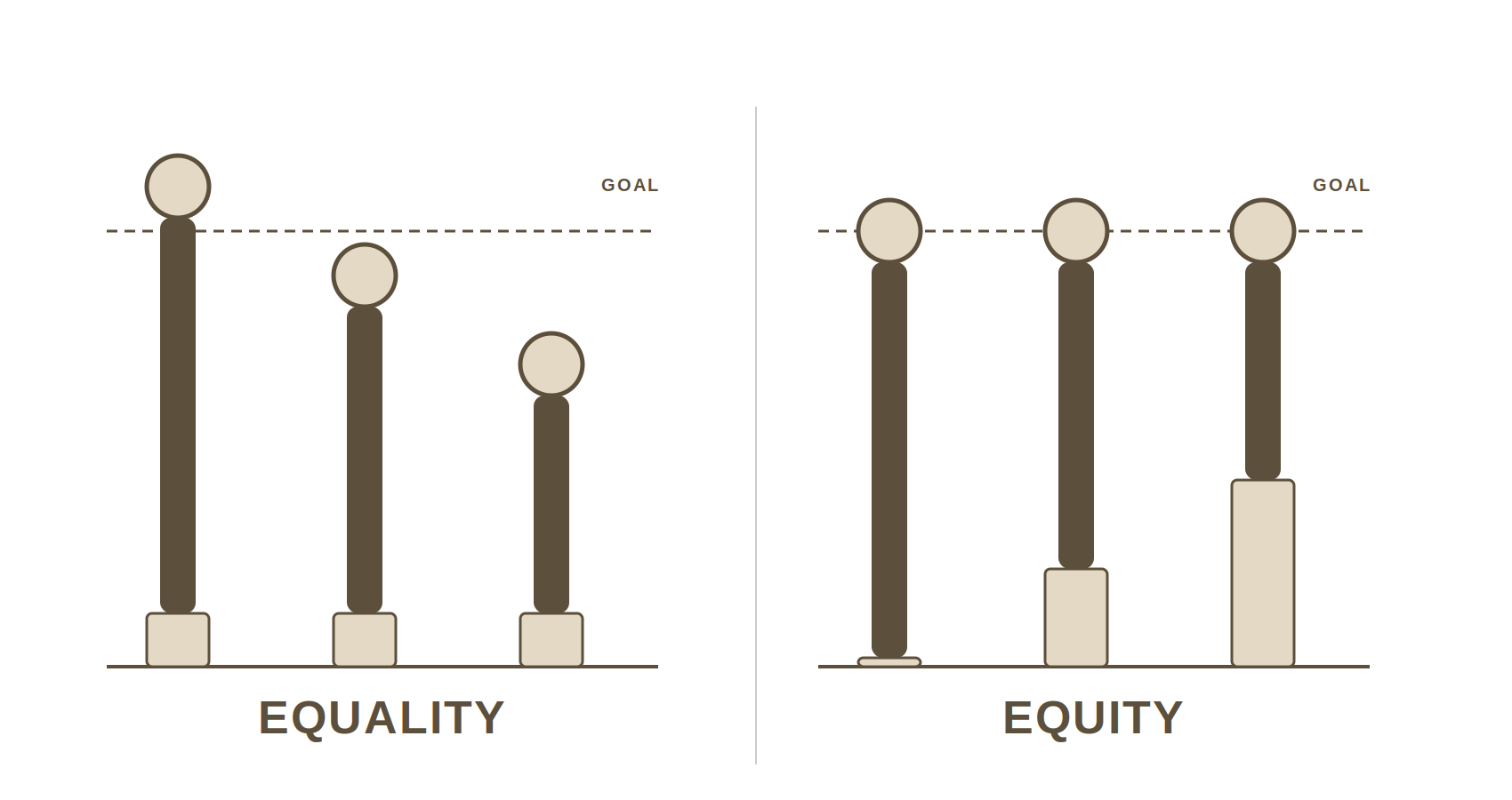
Another situation left a particularly strong impression on me. A manager wanted to apply a very simple rule to his team:
“I want to treat everyone the same. This will be fairer.”
The intention was clearly positive. But again, the search for equality would have created unfairness, as all the colleagues do not have the same wants, needs or motivations. Some look for more responsibility. Others focus on expertise or autonomy. Some are motivated by acknowledgement, others by remuneration, career progression, flexibility or simply by interest in the work.
Understanding these differences is not showing favouritism. It is managing with intelligence.
It is also a way of optimising a team: identifying what drives each team member, adapting how they are managed, giving more responsibility to those who want it, offering visibility to those who need it, or giving more autonomy to those who work better that way.
Treating everyone exactly the same may seem fair. In reality, this can lead to missing someone’s potential.
This is where the role of the manager with the support of HR becomes essential. It is not a question of justifying all the differences in the name of “fairness”. You must be able to explain a difference in how you treat people.
Equality is indispensable when it comes to our rights. We are, for example, all equal before the law and its obligations (i.e. social security charges, tax, respecting company rules…).
In business, on the other hand, systematically searching for equality of treatment may sometimes have the opposite effect.
Fairness is not treating everyone in the same way. It is recognising the differences, understanding them, and trying to manage them fairly, for the benefit of the individual as well as the collective.
And it is probably one of the most important differences between managing a team and simply applying the rules.